Top 5 Benefits of Reliable Soil Testing for Construction Projects


Understanding the Importance of Soil Testing
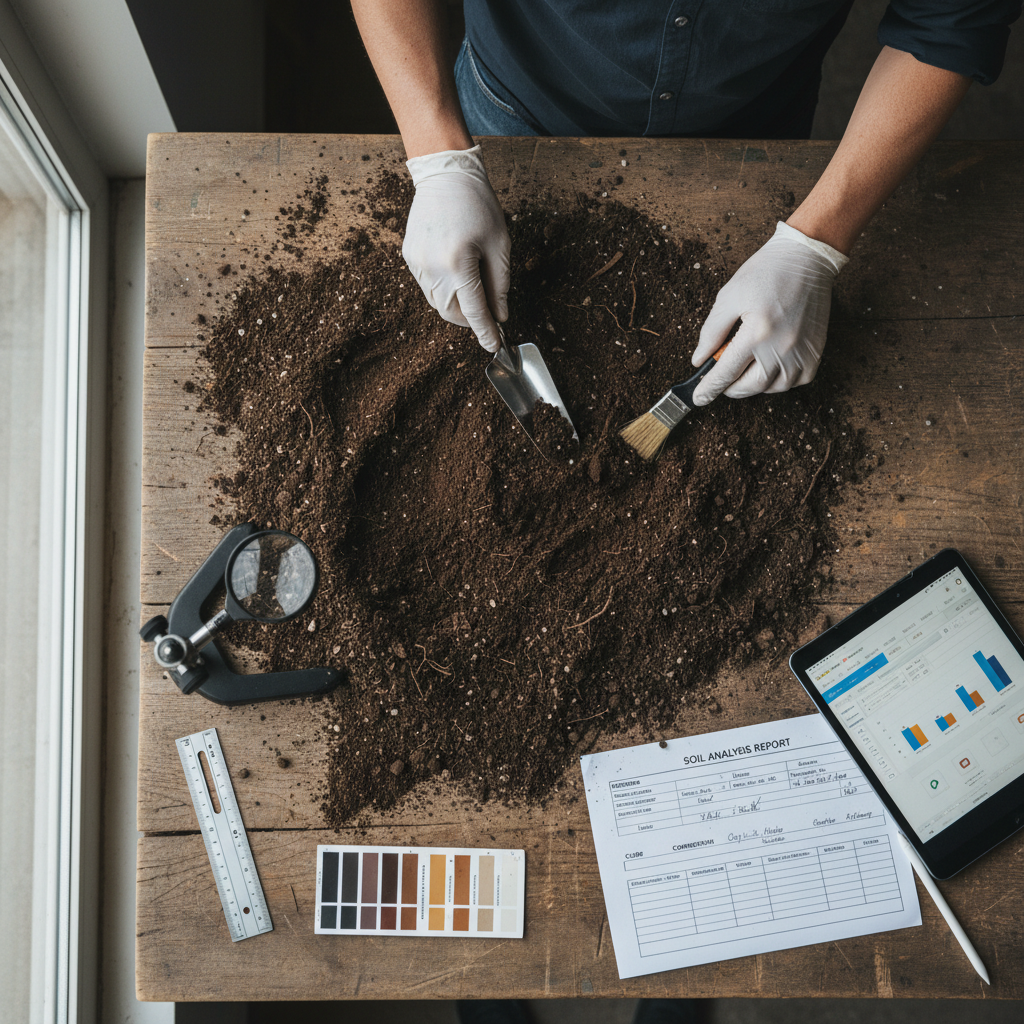
Soil testing is an essential step in the planning and execution of any construction project. It helps engineers and builders understand the soil's properties, ensuring the safety and longevity of the structure. Without reliable soil testing, projects can face significant risks and unexpected costs.
Soil testing provides crucial data about the soil's strength, composition, and permeability. This information is vital for determining the appropriate foundation design and construction methods. By investing in soil testing, developers can avoid costly surprises and ensure their projects are built on solid ground.
Ensuring Structural Safety
Understanding Soil Bearing Capacity
The soil's bearing capacity is a critical factor in construction. It determines how much weight the soil can support without risk of sinking or shifting. Reliable soil testing helps identify this capacity, allowing engineers to design foundations that can safely support the intended structure.
By understanding the soil's bearing capacity, builders can avoid potential structural failures. This knowledge is crucial for preventing issues like foundation cracks and uneven settling, which can lead to significant safety hazards and costly repairs.
Identifying Potential Hazards
Soil testing can also reveal potential hazards like soil contamination or the presence of corrosive materials. These factors can significantly impact the construction process and long-term durability of the building. Early identification allows for the implementation of appropriate mitigation strategies.
Optimizing Construction Costs
Efficient Resource Allocation
Reliable soil testing enables builders to allocate resources more efficiently. By understanding the soil's characteristics, they can choose the most suitable materials and construction techniques, ultimately reducing waste and saving money.
Additionally, accurate soil data helps in planning the project timeline more effectively. By anticipating potential challenges, developers can prevent delays and keep the project on schedule, further optimizing costs.
Avoiding Costly Redesigns
With comprehensive soil testing, the risk of unexpected design changes is minimized. Unforeseen soil conditions often necessitate expensive redesigns and adjustments. By having a clear understanding from the outset, these costly disruptions can be avoided.

Enhancing Environmental Protection
Soil testing plays a role in environmental protection by identifying any possible contamination. This insight allows construction teams to take necessary precautions to prevent harmful substances from affecting the surrounding ecosystem.
Moreover, understanding soil drainage properties helps in designing efficient water management systems. This not only protects the building but also reduces the risk of water pollution and erosion, contributing to a more sustainable construction practice.
Complying with Regulations and Standards
Construction projects are subject to various regulations and standards, many of which involve soil testing requirements. Reliable soil testing ensures compliance with local building codes and environmental guidelines, avoiding legal issues and potential fines.
By adhering to these regulations, developers can also enhance their reputation and build trust with clients and stakeholders. Demonstrating a commitment to quality and safety is a powerful asset in the competitive construction industry.