How to Prepare for Seasonal Testing: A Step-by-Step Guide


Understanding Seasonal Testing
Seasonal testing is an essential part of many industries, particularly those influenced by changes in weather, holidays, and consumer behavior. Preparing for this type of testing ensures that your products or services perform optimally under various conditions, helping you meet customer expectations and maintain quality standards.
Whether you're testing software, consumer goods, or any other product, understanding the unique challenges of each season can provide valuable insights. It allows you to identify potential issues and adapt your strategies accordingly.

Identify Key Testing Periods
The first step in preparing for seasonal testing is to identify the key periods that are relevant to your industry. Consider factors such as:
- Weather patterns
- Holiday shopping seasons
- Annual industry events
Mapping out these periods will allow you to allocate resources and schedule testing activities effectively. It's crucial to plan well in advance to avoid last-minute hurdles.
Develop a Comprehensive Testing Plan
Once you've identified the key periods, develop a detailed testing plan. This plan should include:
- Objectives and goals for the testing phase
- Specific tests to be conducted
- Resources required, including personnel and tools
- Timelines and deadlines
Your testing plan should be a living document, adaptable to changes in circumstances or unexpected challenges. Flexibility is key to a successful testing phase.
Gather Necessary Resources
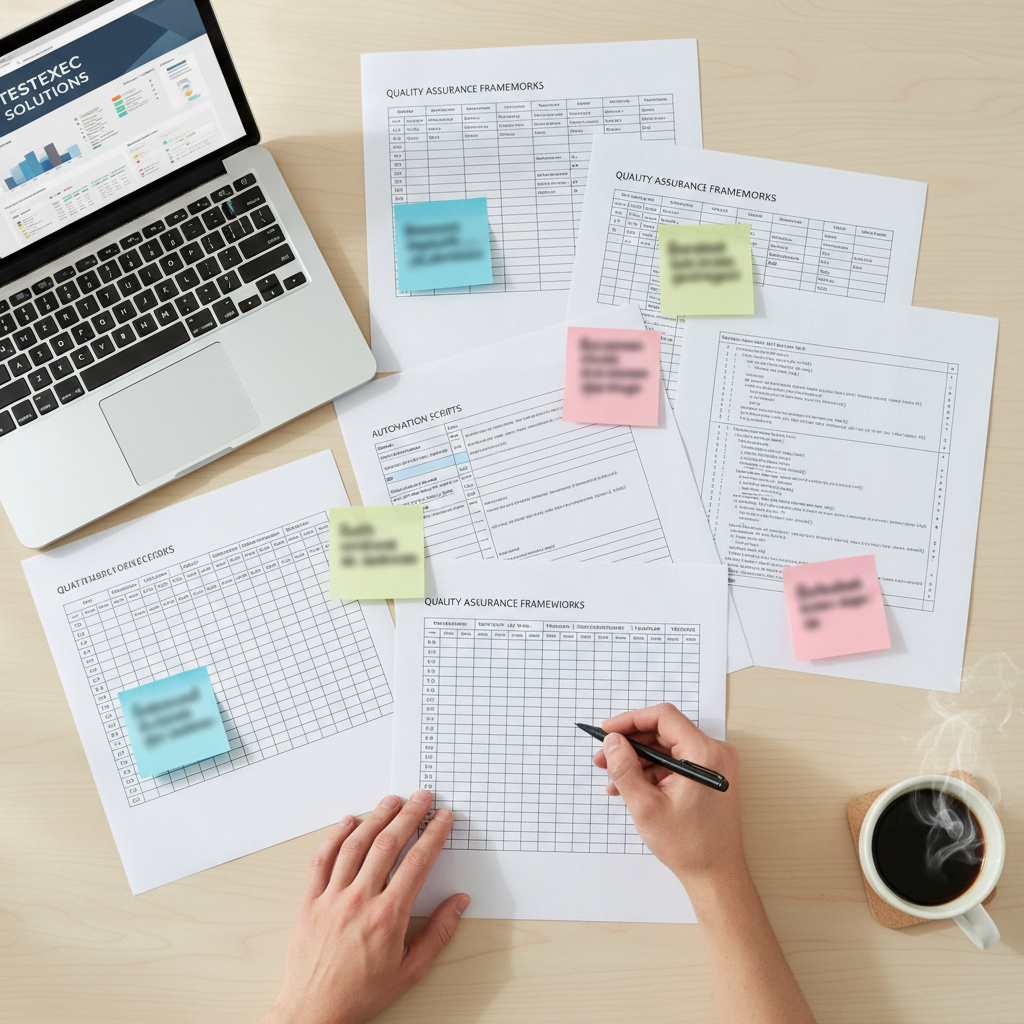
Having the right resources in place is vital for effective seasonal testing. This may include:
- Testing tools and software
- Skilled personnel with experience in seasonal testing
- Access to relevant data and analytics
Ensure that your team is well-equipped and trained to handle the specific demands of seasonal testing. This preparation will minimize disruptions and maintain focus on your objectives.
Execute and Monitor Testing Activities
With your resources and plan in place, it's time to execute the testing activities. Monitor progress closely and be prepared to make adjustments as needed. Regular communication with your team will ensure everyone stays on track and any issues are addressed promptly.
Utilize analytics and reporting tools to track results and gain insights. These insights can be invaluable for refining your strategy and making data-driven decisions.

Analyze Results and Implement Improvements
After completing the testing phase, analyze the results thoroughly. Identify areas of success as well as those needing improvement. Use this analysis to implement changes and enhance your products or services.
Document your findings and share them with relevant stakeholders. This transparency will foster collaboration and drive continuous improvement within your organization.
Review and Reflect
Finally, take time to review the entire testing process. Reflect on what worked well and what could be improved for future seasonal testing. Gather feedback from your team and stakeholders to gain diverse perspectives.
By continuously refining your approach, you can ensure that seasonal testing remains an integral and effective part of your business strategy.