How Seasonal Changes Affect Testing Requirements in North Carolina


Understanding Seasonal Testing Requirements
In North Carolina, the changing seasons have a significant impact on various industries, influencing testing requirements across the board. From agriculture to construction, understanding these changes is crucial for compliance and ensuring optimal operation. This post explores how different times of the year affect testing needs and what businesses can do to stay prepared.
As the seasons shift, so do environmental conditions, which can alter the way materials and products perform. For example, temperature fluctuations can affect construction materials, requiring additional testing to ensure safety and durability. Similarly, the agricultural sector needs to adapt to seasonal challenges to maintain crop health and yield.

Agricultural Testing in Different Seasons
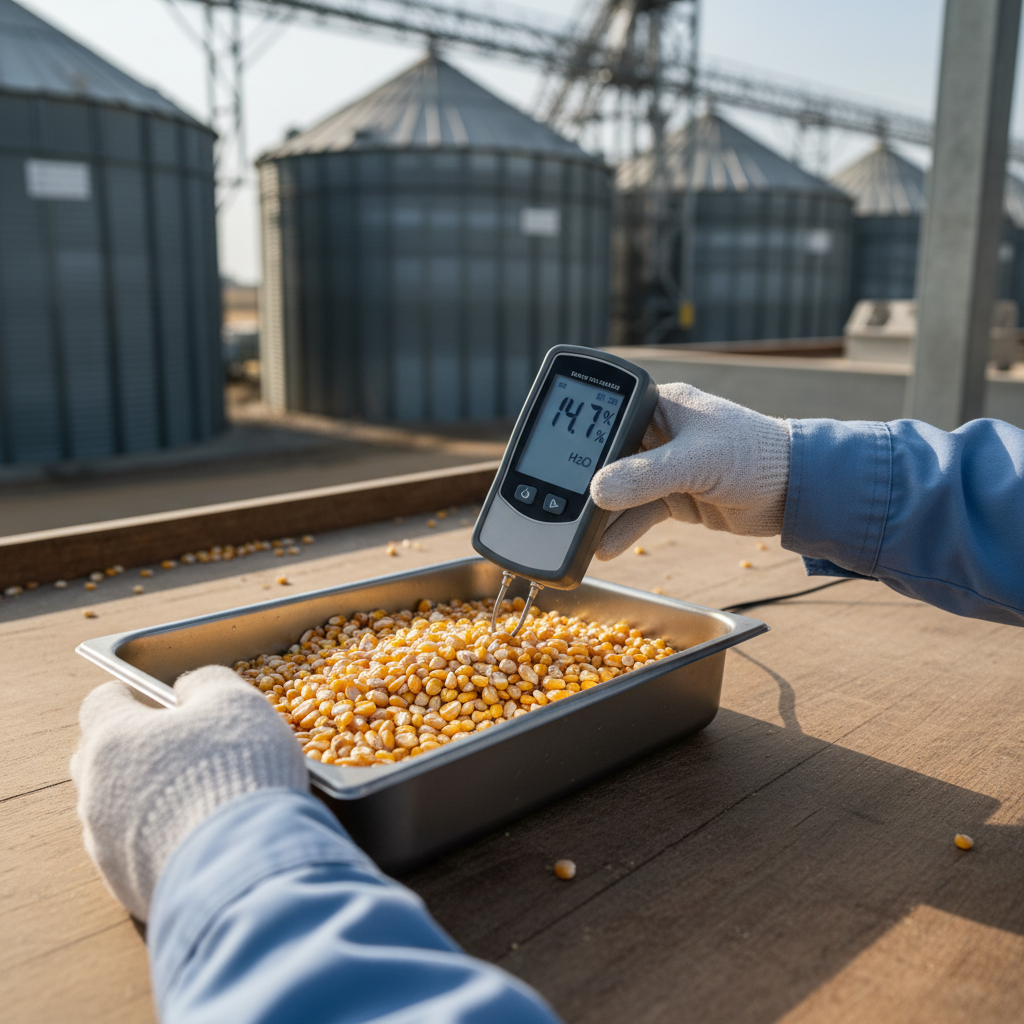
North Carolina's diverse climate means that farmers must adapt to varying conditions throughout the year. In spring, soil testing becomes crucial as crops are planted. This ensures that the soil has the necessary nutrients for optimal growth. As temperatures rise in the summer, water quality testing becomes essential to guard against contaminants that can harm both crops and livestock.
During the fall, post-harvest testing evaluates crop quality and storage conditions to prevent spoilage. Winter, on the other hand, requires less frequent testing, but soil management remains essential to prepare for the next planting season. Understanding these cyclical needs helps farmers maintain productivity and comply with state regulations.
Construction and Material Testing
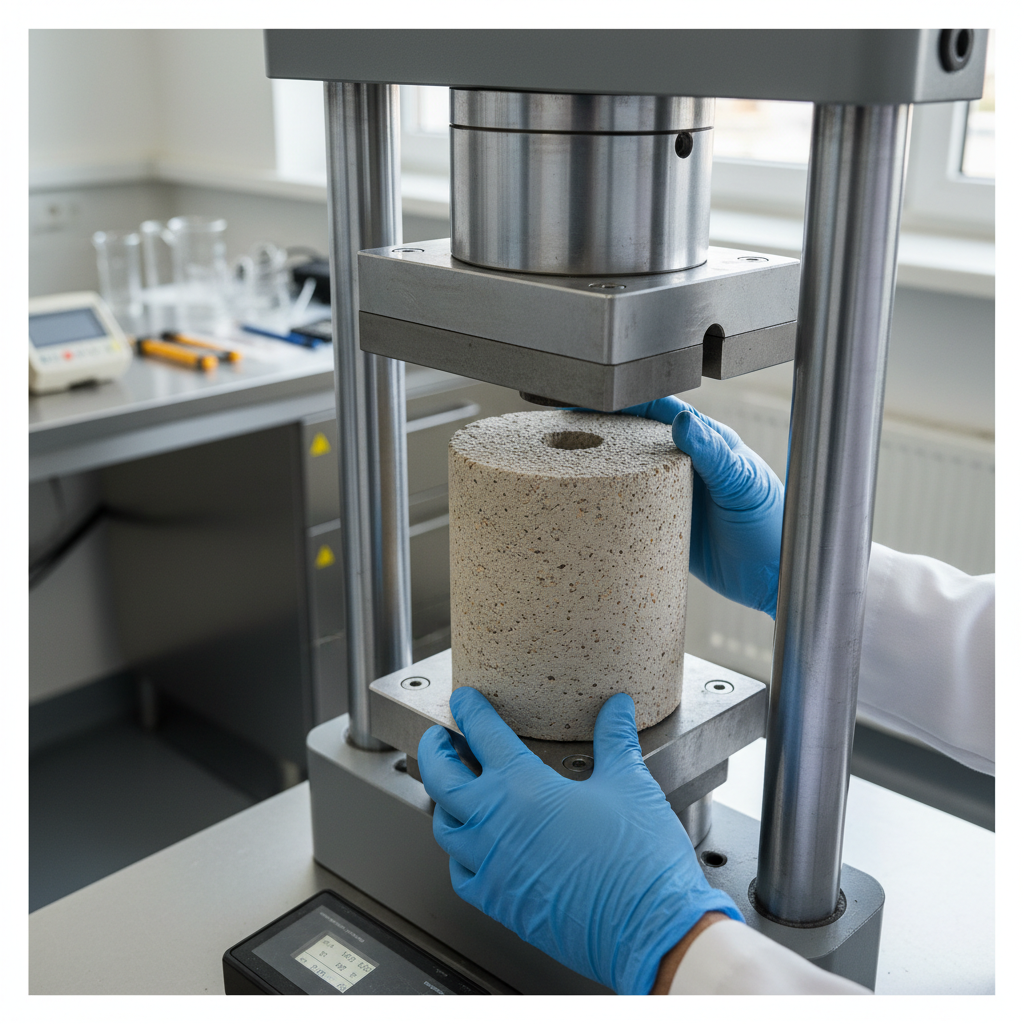
The construction industry in North Carolina must also adapt to seasonal changes. In winter, cold temperatures can influence the properties of concrete and other building materials, necessitating specific tests to ensure structural integrity. Similarly, in the summer, materials may expand due to heat, requiring additional assessments to prevent potential issues.
Regular testing during these seasonal transitions ensures that construction projects meet safety standards and remain within budget and timeline constraints. By adhering to these requirements, builders can avoid costly delays and ensure the safety of their structures.
Environmental and Water Quality Testing
Seasonal changes also impact environmental testing, particularly concerning water quality. In North Carolina, rainfall patterns can lead to runoff that may carry pollutants into water bodies. Testing during the rainy season is crucial to ensure that water remains safe for consumption and recreational use.
Regular monitoring helps identify potential contaminants early, allowing for timely interventions. This proactive approach is vital for safeguarding public health and maintaining compliance with environmental regulations.

Preparing for Seasonal Testing Requirements
Businesses across various sectors can take several steps to prepare for seasonal testing requirements. One effective approach is to develop a comprehensive testing schedule that aligns with seasonal changes. This ensures timely assessments and helps avoid last-minute scrambles to meet compliance deadlines.
- Identify industry-specific testing requirements for each season.
- Schedule regular training sessions for staff to stay updated on testing procedures.
- Invest in quality testing equipment and services to ensure accurate results.
By understanding and anticipating the impact of seasonal changes, businesses can maintain compliance, ensure safety, and optimize operations year-round.