
Comparing Electrical Testing Methods: Which Is Right for You?


Understanding Electrical Testing Methods
Electrical testing methods are crucial for ensuring the safety and efficiency of electrical systems. Whether you're an engineer, technician, or a facility manager, selecting the right testing method is essential for accurate diagnostics and maintenance.
Common Electrical Testing Methods
There are several electrical testing methods available, each with its unique advantages and applications. Common methods include:
- Insulation Resistance Testing: Evaluates the condition of electrical insulation, identifying potential deterioration.
- Earth/Ground Testing: Measures the resistance of grounding systems to ensure safety and compliance.
- Continuity Testing: Checks for open or short circuits in electrical pathways.
Insulation Resistance Testing
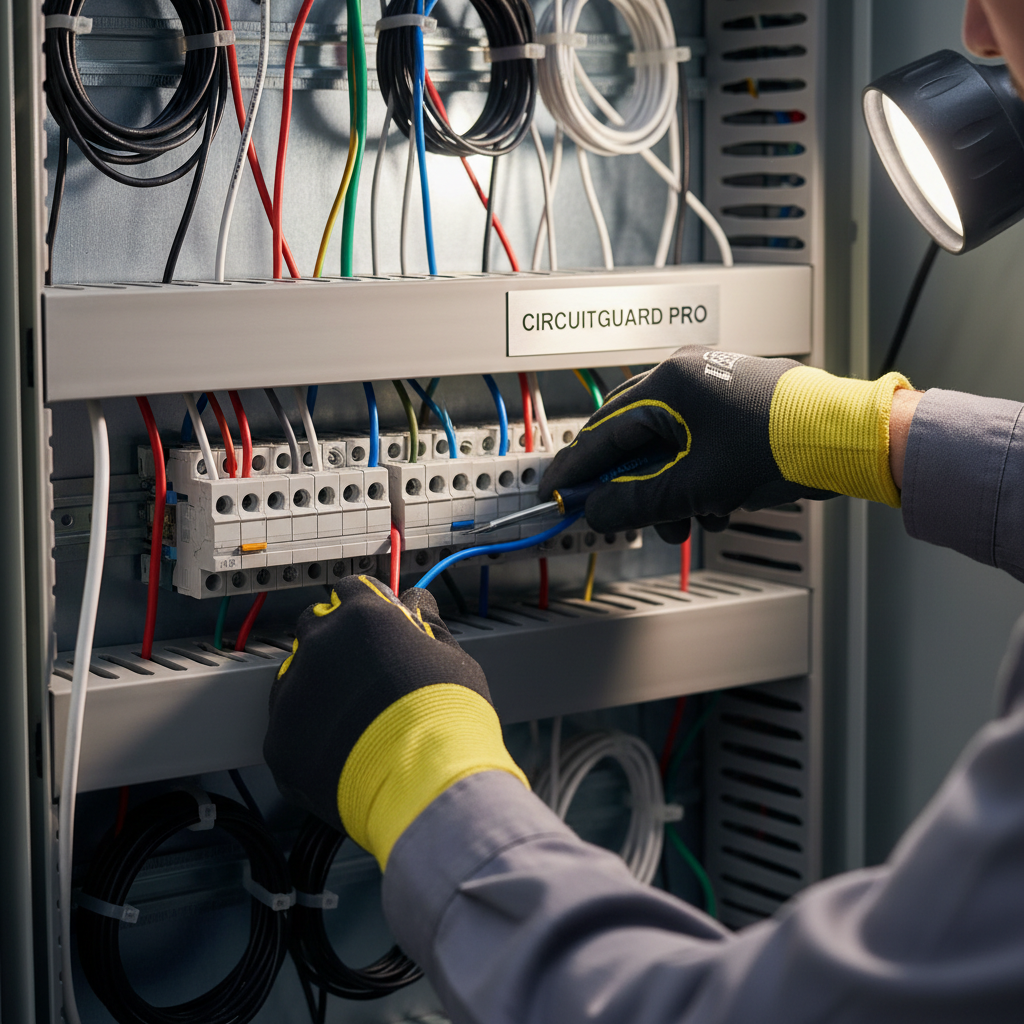
Insulation resistance testing is vital for maintaining the integrity of electrical installations. By applying a DC voltage to the insulation, this test measures the resistance and helps in identifying potential failures. It's particularly useful in industrial settings where insulation is subject to wear and tear.
Advantages of Insulation Resistance Testing
This method is non-destructive and can be performed on-site, offering a practical approach to preventive maintenance. It helps in prolonging the lifespan of electrical components by detecting issues early.
Earth/Ground Testing
Proper grounding is essential for safety. Earth testing ensures that an electrical system is correctly grounded, minimizing the risk of electric shock and equipment damage. It involves measuring the resistance of the earth connection, ensuring that it meets safety standards.
Why Ground Testing Is Important
Without adequate grounding, electrical faults could lead to dangerous situations. Ground testing helps in verifying the effectiveness of the grounding system, providing peace of mind and compliance with regulations.
Choosing the Right Method
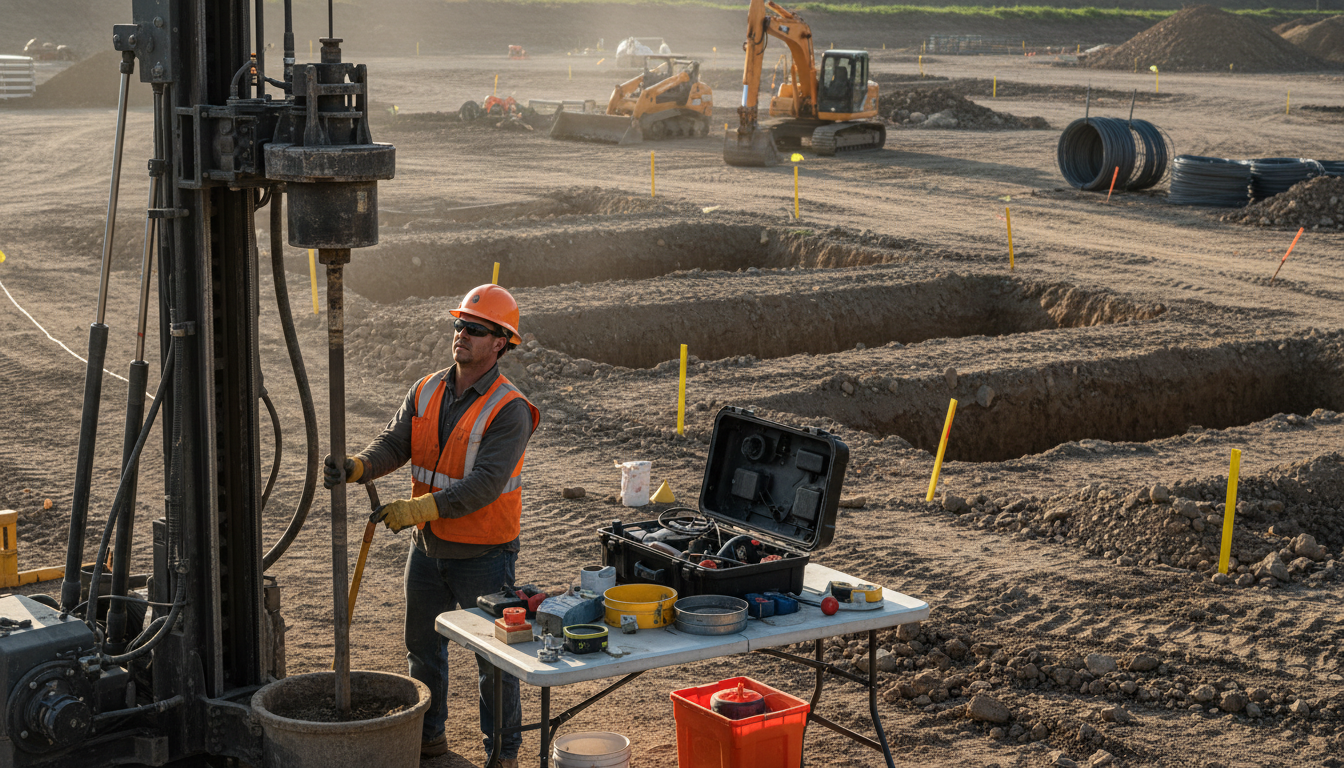
The choice of testing method depends on various factors such as the type of equipment, the environment, and specific safety requirements. Consider the following when selecting a method:
- The nature of the electrical system and its components.
- The specific problems you need to diagnose.
- Compliance with safety standards and regulations.
Conclusion
Understanding the different electrical testing methods and their applications is key to maintaining a safe and efficient electrical system. By choosing the right method, you can ensure accurate diagnostics and effective maintenance, ultimately reducing downtime and enhancing safety.